The Wonders of Modern Technology: How Innovation Continues to Amaze
“This article explores the transformative wonder of modern technology, from AI driven connectivity and life saving biotech to the future of space travel. It highlights how technological innovation bridges the gap between science fiction and reality to expand human potential and sustainability.”
It is said that advanced technology is like magic. In 2026, miracles have become routine. The complexity of the glass rectangles in our pockets or the satellites communicating with our vehicles from space is rarely considered. The sheer size of modern technology inspires awe when we step back. reject their biological constraints.
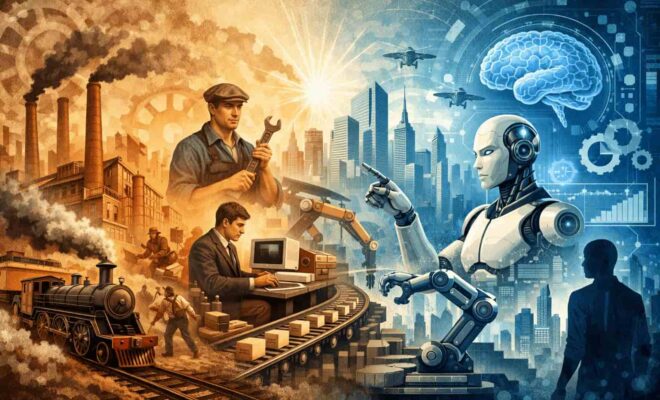
For most of human history, progress was slow. Laborers in the 14th century lived like their forebears. Today, a single decade can disrupt entire industries. Not just new devices, but a fundamental increase in possibilities. This technological innovation cycle is changing how we communicate, heal, and define our role in the universe.
The Invisible Threads of Connection
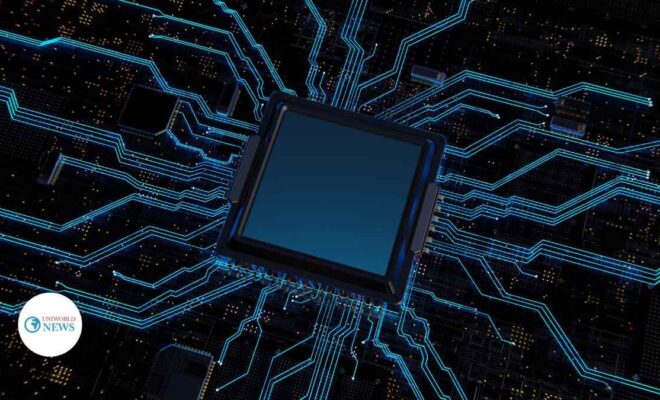
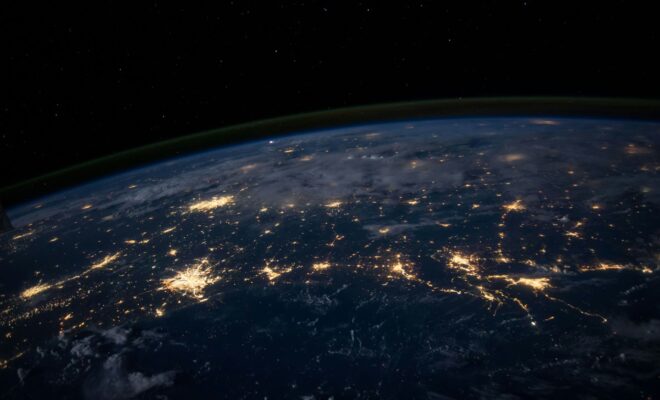
The most immediate wonder is the invisible architecture of the modern world. We have moved past the era of going online to a state of being always on. Through a combination of 6G connectivity and satellite networks that blanket the Earth, the very concept of distance is evaporating. We can share a high definition moment with someone on the other side of the planet as easily as if they were sitting across the dinner table.
This connectivity has birthed a sort of global brain. For the first time, a student with a mobile device in a remote village has more access to information than a world leader did thirty years ago. This democratization of knowledge is the true wonder of the digital age. When you add the advancements in technology regarding machine intelligence tools that act as a second mind for artists, engineers and researchers we are not just working harder; we are thinking bigger. These tools allow us to identify patterns in climate data or genomic sequences that would take a human lifetime to calculate, delivering actionable answers in a single afternoon.
The Biological Frontier: Healing at the Source
Perhaps the most visceral impact of innovation is found within the human body. We are shifting from a reactive style of medicine where we treat symptoms after they manifest to a programmable style of medicine. By treating DNA with the logic of software, we are learning to debug the human system at its source.
Gene editing breakthroughs like CRISPR have transitioned from experimental theory to bedside reality. We are witnessing patients cured of genetic blood disorders and hereditary blindness through precise molecular scissors. The wonder here is almost spiritual; we are learning to speak the language of life itself. Furthermore rise of personalized medicine means that a doctor’s visit might soon involve a treatment plan built specifically for your unique genetic markers. This technological innovation is slowly turning the tide against diseases that have haunted humanity since the dawn of time, offering a future of innovation where terminal is no longer a final sentence.
Reaching for the Stars and Saving the Soil
The horizon of our ambition has also moved upward. For a long time, space was a museum a place we visited once and then observed from afar. Now, it is a bustling frontier. The sight of rockets landing themselves back on Earth with pinpoint precision has transitioned from science fiction to a regular weekly occurrence. This is not just a spectacle; it is the economic engine that will eventually facilitate long term lunar habitation and first crewed missions to Mars. The wonder of seeing the deep pillars of the cosmos through the James Webb Telescope reminds us that while our technology is grounded in silicon and steel, its purpose is to answer the oldest human questions: Where did we come from and are we alone?
Back on Earth, the same spirit of innovation is being harnessed to protect our only home. We are currently engineering our way out of the climate crisis that once seemed inevitable. The holy grail of energy nuclear fusion is moving from the realm of thirty years away into the realm of functional prototypes. We are developing machines that don’t just reduce pollution but actively breathe in carbon dioxide to scrub the atmosphere. It is a poetic turn of events: the same human ingenuity that changed humanity forever during the first industrial era is now creating the tools to heal the planet that those early industries inadvertently stressed.
The Human Element in a Digital World
As we navigate these changes, the most important technological innovation may actually be ethical. With great power comes the need for a very human kind of wisdom. As we build more intelligent systems, the conversation is shifting toward empathy and equity. The real wonder is not a robot that can mimic speech; it’s a neural interface that allows a paralyzed individual to type with their thoughts, or a translation app that allows two people who speak entirely different languages to form a deep connection.
How innovation supports the human spirit will determine its future. When hardware complexity vanishes and leaves behind simple, human contact, technology is most attractive. The enchantment is in the bridge it makes between us, whether it’s a grandparent witnessing a newborn via holographic call or a Tokyo doctor executing a delicate treatment on a Nairobi patient via robotic arm.
Conclusion
Historians of the future will probably see this time as a second Renaissance. The amazing things that modern technology can do are not set in stone; they are always changing. We construct a new base for the following generation to build on every time we solve an issue. This is the never ending cycle of human curiosity.
Innovation isn’t a place to go; it’s a way of thinking. It’s not believing that the way things are now is the best we can do. The only thing we can be sure of is that the world our kids will live in will make our high tech existence look old fashioned. There is a deep sense of hope in that knowledge. We are builders, dreamers and fixers and as long as we keep our sense of wonder, we can do anything.