Is NASCAR Losing Fans or Evolving
“This article examines whether NASCAR is losing fans or adapting to modern sports trends. It explores changes in audience behavior, digital engagement and technology, showing how NASCAR is evolving to remain relevant in a rapidly changing sports industry.”
NASCAR has stood as a pillar of American culture since its founding in 1948. Bill France Sr. organized the sport on the sandy beaches of Daytona and it grew into a national powerhouse. For decades, the sport represented family tradition and the raw noise of V8 engines. Fans filled grandstands from Bristol to Talladega. They camped in the infields for days. They cheered for icons like Richard Petty and Dale Earnhardt. The sport peaked in television viewership around 2005 and 2006. Millions tuned in every Sunday. But the numbers have drifted downward since that golden era. Now, critics ask a difficult question about the future. Is the sport dying, or is it simply changing its shape?
The answer requires a look at the data and the culture of 2026. Viewership habits are different now than they were twenty years ago. People do not sit in front of televisions for four hours as often as they once did. The drop in cable ratings paints a grim picture if you look only at that one metric. But a wider view shows a sport that is fighting to modernize. NASCAR is finding new ways to put cars in front of their eyes. The transition is painful for traditionalists. Yet, the strategy appears to be working in new markets.
NASCAR and Its Traditional Fan Base
The sport built its empire on a very specific type of fan connection. Racing was regional before the 1979 Daytona 500 broadcast brought it to the masses. Fans in the Southeast felt ownership of the sport. They bought tickets year after year. They passed their love for racing down to their children like a family heirloom. The tracks were cathedrals of speed and noise. Loyalty was fierce. A fan of a Ford driver would never drive a Chevy. This intense brand loyalty made NASCAR a marketing giant.
Sponsors loved this dedication. Companies poured millions into paint schemes and television commercials. But the demographic that built this foundation is aging. The average age of the television viewer crept higher over the last decade. Younger people did not inherit the same viewing habits. They did not grow up working on cars in the driveway. The cultural connection to the machine weakened.
This shift left a gap in the grandstands at some traditional venues. Tracks that once sold out months in advance began to remove seats. The optics were bad. It looked like a retreat. Longtime fans felt alienated by rule changes and new car designs. They felt the sport was leaving them behind. But NASCAR had to make a choice. It could satisfy a shrinking base or try to find a new one.
Is NASCAR Actually Losing Fans
The raw numbers from Nielsen tell a story of decline. Broadcast ratings have dropped significantly from their peak. A race that drew 8 million viewers in 2005 might draw 3 million in 2025. This statistic fuels the narrative that the sport is failing. But this view ignores the fragmentation of the media. The audience has not necessarily vanished. It has moved.
Fans now consume the sport in bite-sized pieces. They watch the finish on YouTube. They check the results on an app. They watch a thirty-second clip of a crash on X or TikTok. These interactions count as engagement. But they do not show up in the Sunday television ratings. This is a problem for every major sports league. The NFL and NBA face similar challenges with younger demographics.
The definition of a “fan” has changed. A person might follow a driver on Instagram but never watch a full 400-mile race. They know the personalities and the drama. They buy the merchandise. This type of engagement is real money for the teams. It just looks different from the ticket-buying habits of the past. The sport is trading depth of attention for breadth of reach.
How NASCAR Popularity Has Changed
The modern sports fan demands constant stimulation. A four-hour race with few caution flags can feel slow to a viewer used to 15-second videos. NASCAR recognized this problem several years ago. They introduced stage racing in 2017. This format breaks the event into three segments. It forces restarts and bunches the field together. It creates guaranteed moments of action. Purists hate it. They argue it ruins the flow of the race. But the data shows that younger fans prefer the reset.
Personality drives interest more than cars do today. The “Drive to Survive” effect from Formula 1 showed that stories sell tickets. NASCAR responded with its own docuseries efforts, like “NASCAR: Full Speed” on Netflix. These shows highlight the conflict and the danger. They introduce drivers like Ross Chastain and Ryan Blaney to people who do not care about horsepower.
The rivalry is less about Ford versus Chevy now. It is about the driver versus the driver. Social media amplifies every argument in the garage. A fight on pit road goes viral instantly. This drama brings in casual observers. They come for the conflict and stay for the racing. The sport has shifted from a technical exhibition to an entertainment product.
Digital Transformation in NASCAR
The internet has saved the sport from irrelevance. iRacing is the best example of this shift. This simulator allows anyone with a computer and a wheel to race virtual stock cars. It is incredibly realistic. Professional drivers use it to practice. During the pandemic lockdowns of 2020, NASCAR pivoted to televised iRacing events. It was a brilliant move. It kept the sport visible when real tracks were closed.
This digital connection creates a bridge for young fans. A teenager might drive the Daytona track in a video game before they ever see it in real life. They understand the physics and the rules through simulation. This is a new pathway for fan acquisition.
Teams also use digital channels to bypass traditional media. They produce their own podcasts and behind-the-scenes videos. They speak directly to their followers. A driver can stream on Twitch and chat with fans for hours. This builds a connection that a television interview never could. The barrier between the athlete and the supporter is lower than ever.
NASCAR’s Push to Reach New Audiences
NASCAR has made bold moves to physically go where the people are. The 2023 Chicago Street Race was a prime example. The series built a temporary track in the middle of Grant Park. It was a logistical nightmare and a huge financial risk. But it worked. The visuals were stunning. The cars raced past skyscrapers. It attracted thousands of people who would never drive to a rural speedway.
The Clash at the Coliseum in Los Angeles followed a similar logic. They paved a quarter-mile track inside an Olympic stadium. It brought racing to an urban center. These events are not about tradition. They are about exposure. They put the noise and the spectacle in front of a new demographic.
Diversity is also a major focus. The “Drive for Diversity” program has worked to bring women and people of color into the sport. Graduates like Bubba Wallace and Kyle Larson have become stars. Team owners like Michael Jordan and Pitbull have brought fresh eyes to the garage. They attract sponsors and fans who previously ignored stock car racing. The demographic of the crowd is slowly becoming more reflective of the country.
Technology and the Future of NASCAR
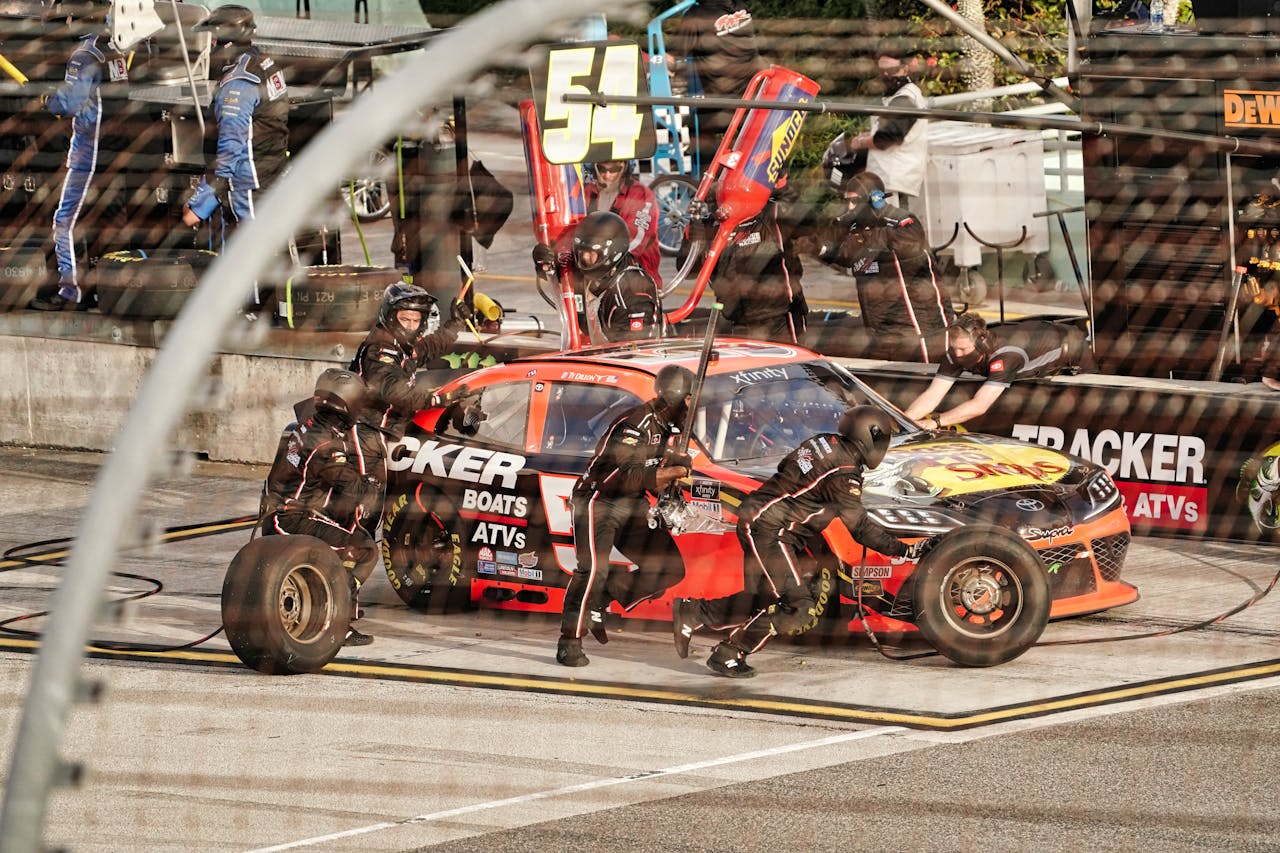
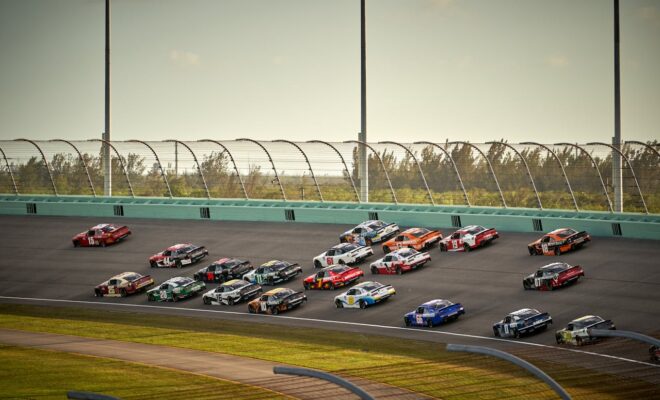
The machine itself is changing. The “Next Gen” car debuted in 2022. It was a radical departure from the old technology. It features independent rear suspension and a sequential gearbox. It looks more like the car in a showroom. This car is designed to be cheaper for team owners and safer for drivers.
Safety technology remains a priority. The SAFER barrier walls and the HANS device have saved many lives. The new car absorbs impacts better than previous generations. This allows drivers to walk away from violent crashes. Fans want to see the danger, but they do not want to see tragedy.
The industry is also looking at the engine. The world is moving toward hybrid and electric power. NASCAR is testing hybrid components. They have to balance the love for loud engines with the reality of the automotive market. Manufacturers like Toyota, Ford, and Chevrolet want to sell cars. If they sell hybrids, they want to race hybrids. The sport will likely introduce some form of electrification soon. It will be controversial. But it is necessary for manufacturer support.
How NASCAR Compares With Other Sports
NASCAR is not alone in this fight. Baseball shortened its games with a pitch clock. The NBA added an in-season tournament. Every league is tweaking its product to fit the modern attention span. NASCAR actually has an advantage here. Its season is long, but its events are singular spectacles.
Formula 1 exploded in popularity in the United States recently. NASCAR looked at that growth and took notes. They saw that American fans wanted premium experiences. Tracks now offer luxury suites and club areas. They focus on the food and the party atmosphere. The race is just the background for a social event for some attendees.
The competition with other leagues is stiff. But NASCAR offers a sensory experience that no other sport can match. The sound of forty engines at 9,000 RPM is unique. The physical sensation of the cars passing by is visceral. The sport uses this physical power to hook new viewers once they arrive at the track.
Looking Ahead at the Future of NASCAR
The next ten years will define the sport. The current television deal runs through 2031. This provides financial stability for the teams. But the growth must come from outside the traditional borders. International expansion is on the table. Races in Mexico and Canada are logical next steps. A race in Europe is a dream for some executives.
Sustainability will become a bigger topic. The sport burns fuel and goes through thousands of tires. NASCAR has programs to recycle and reduce waste. They ran an electric prototype car in 2024 to show what is possible. They must prove they can exist responsibly in a green economy.
The leadership seems willing to break rules. They shortened tracks. They raced in the rain. They raced on dirt at Bristol. Not every experiment works. But the willingness to try is a good sign. A stagnant sport dies. An evolving sport has a chance.
Final Thoughts
So, is NASCAR losing fans or changing? The evidence points to a hard evolution. The old numbers are down. The old ways are gone. But the sport is leaner and more agile. It is meeting the audience on their phones and in their cities.
NASCAR survives because it adapts. It moved from the beach to the asphalt. It moved from the South to the nation. Now it moves from the cable box to the stream. The roar of the engine is the same. But the crowd listening to it looks different. That is not failure, It is progress.